


The short answer: skipping UX research doesn't save money — it defers the cost of discovering what users actually need until after the product is built, when fixing it means rework instead of a design revision. Teams that treat UX research as a nice-to-have rather than an engineering input consistently pay more in total, just later and less visibly.
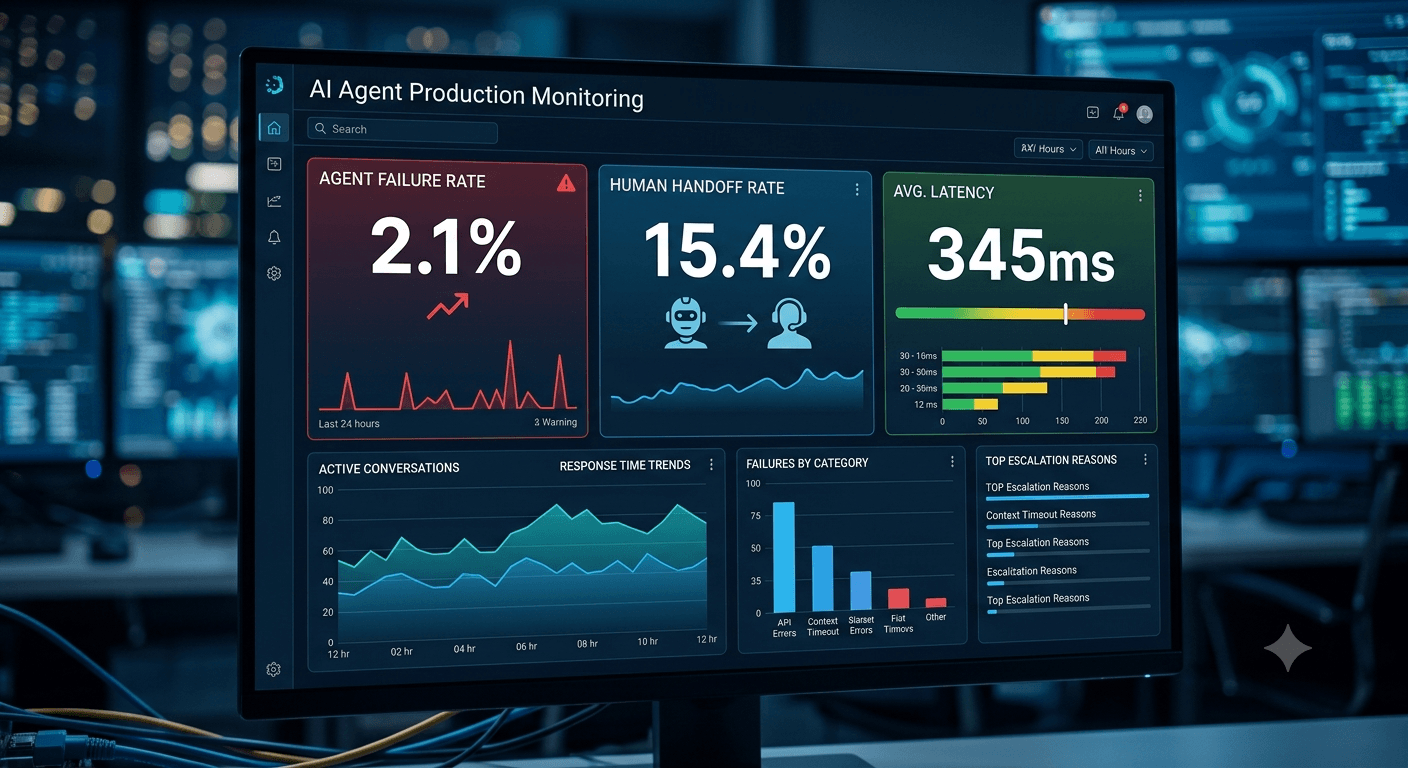
How to monitor AI agents in production (beyond just uptime)
The cost that's easy to miss
When UX research is skipped, the team builds based on internal assumptions about how users think and work. Some assumptions turn out right. The ones that don't surface after launch — as confused users, high support ticket volume, low feature adoption, or a redesign six months later that could have been a wireframe revision six weeks earlier. That cost is real, it's usually larger than the research would have cost, and it's just harder to attribute because it's spread across support, retention, and a later development cycle instead of appearing as one clear line item.
Where research changes what gets built, not just how it looks
Good UX research — talking to real users, watching them attempt the actual task, testing early prototypes — routinely surfaces things that change the engineering scope itself, not just the visual design. A workflow the team assumed was linear turns out to branch in ways nobody anticipated. A feature considered essential turns out to be used by almost nobody, while an overlooked edge case turns out to matter enormously. Catching this before development starts changes what gets built, which is a cheaper conversation than changing what's already been built.
The compounding effect of validating early
Testing a clickable prototype with five real users before writing production code costs a fraction of what the same discovery costs after the feature ships. This isn't just intuition — it reflects the same principle as catching a bug in code review instead of in production: the cost of fixing an issue grows the later it's caught, and UX problems are no exception. A wireframe revision takes hours. A shipped feature people don't understand takes a redesign, a re-development cycle, and lost trust with users who already had a confusing first experience.
Where this connects to how we scope AI projects too
This principle isn't unique to UI work — it's the same reasoning behind why we scope AI implementation projects around a clearly defined outcome before building: validating what actually needs to be built is cheaper than discovering it after the fact, whether the project is a user interface or an AI agent. Research and scoping are the same discipline applied to different layers of a product.
What efficient UX research actually looks like
Efficient research doesn't require months or a large budget: five user interviews reliably surface most major usability issues, a clickable prototype tested with real users before development starts catches problems while they're still cheap to fix, and short iterative rounds (test, revise, test again) beat one large research phase for most project sizes. The goal isn't exhaustive research — it's validating the riskiest assumptions before they're expensive to change.
The practical takeaway
UX research is a cost-control measure as much as a design practice — it moves expensive-to-fix problems earlier, when they're cheap to fix, instead of leaving them to surface in production. If your team is scoping a new product or feature and wondering whether research is worth the time, the honest answer is that skipping it rarely saves money — it just moves the cost somewhere less visible. Our UI/UX design team builds research into the front of every engagement specifically because it's the cheapest way to de-risk the development that follows, connecting directly into our web and app development process so what's validated in research is what actually gets built.
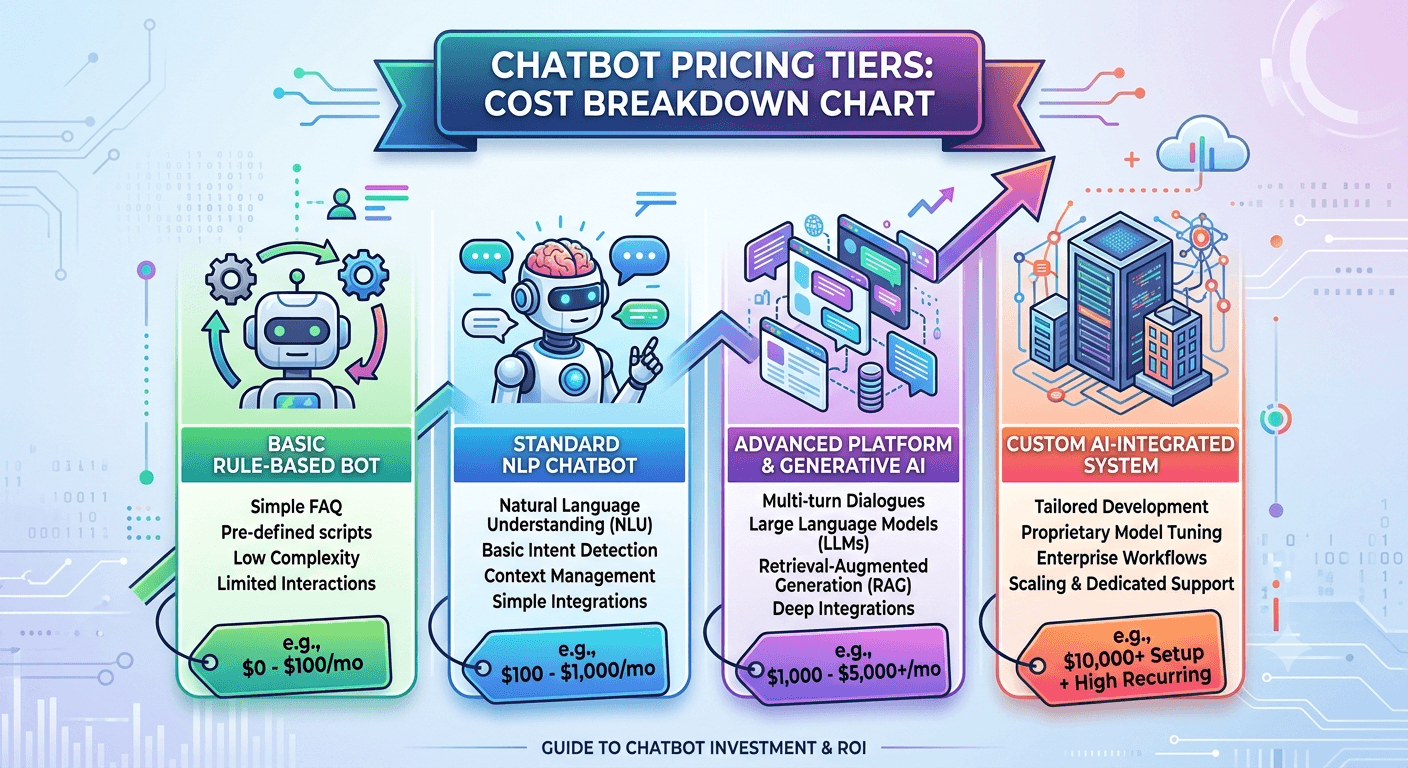
How Much Does a Custom Chatbot Cost? | Electronikmedia

How to choose a QA outsourcing partner (the questions that actually matter)
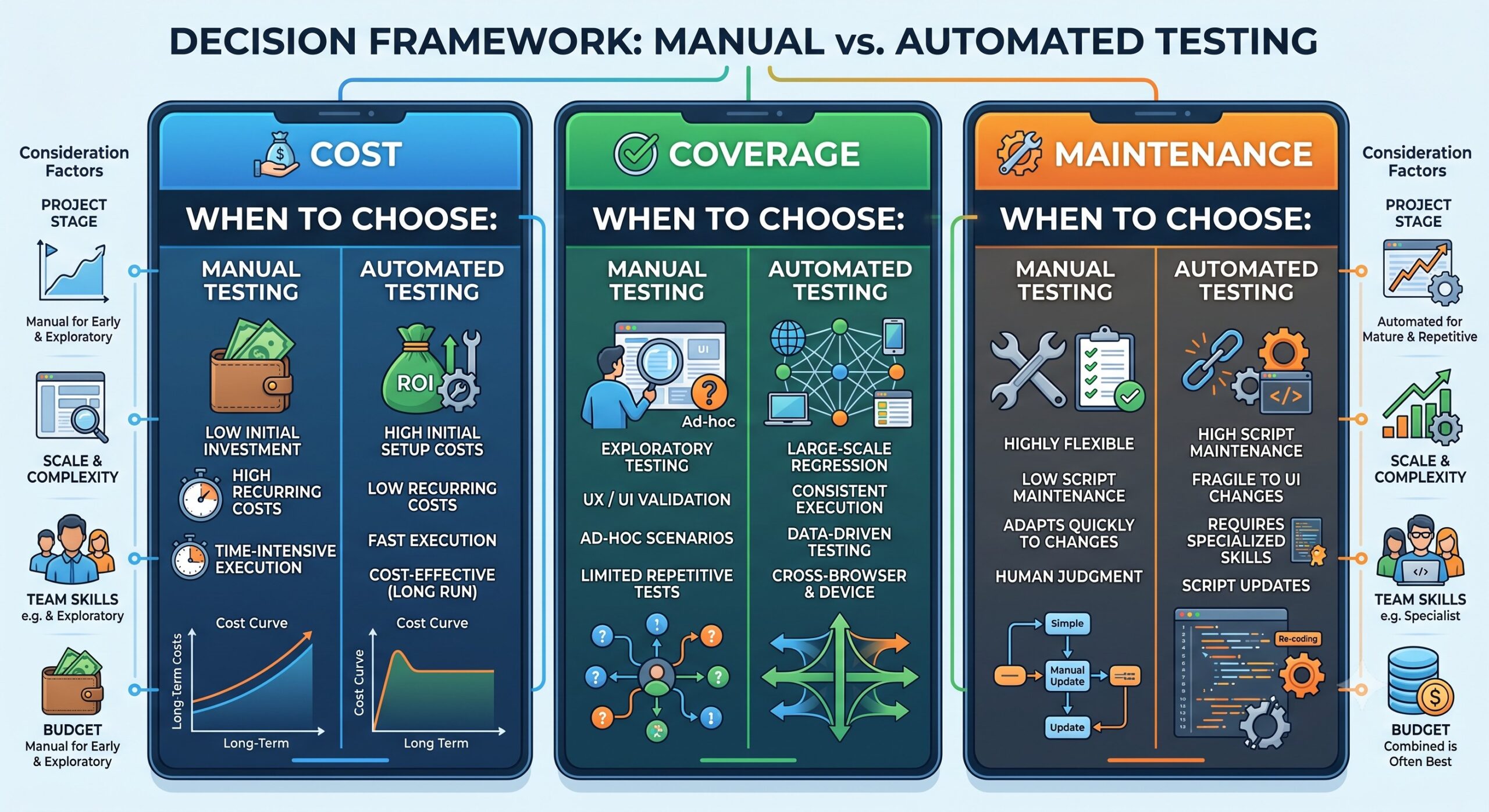
Manual vs automated testing: which does your project actually need?
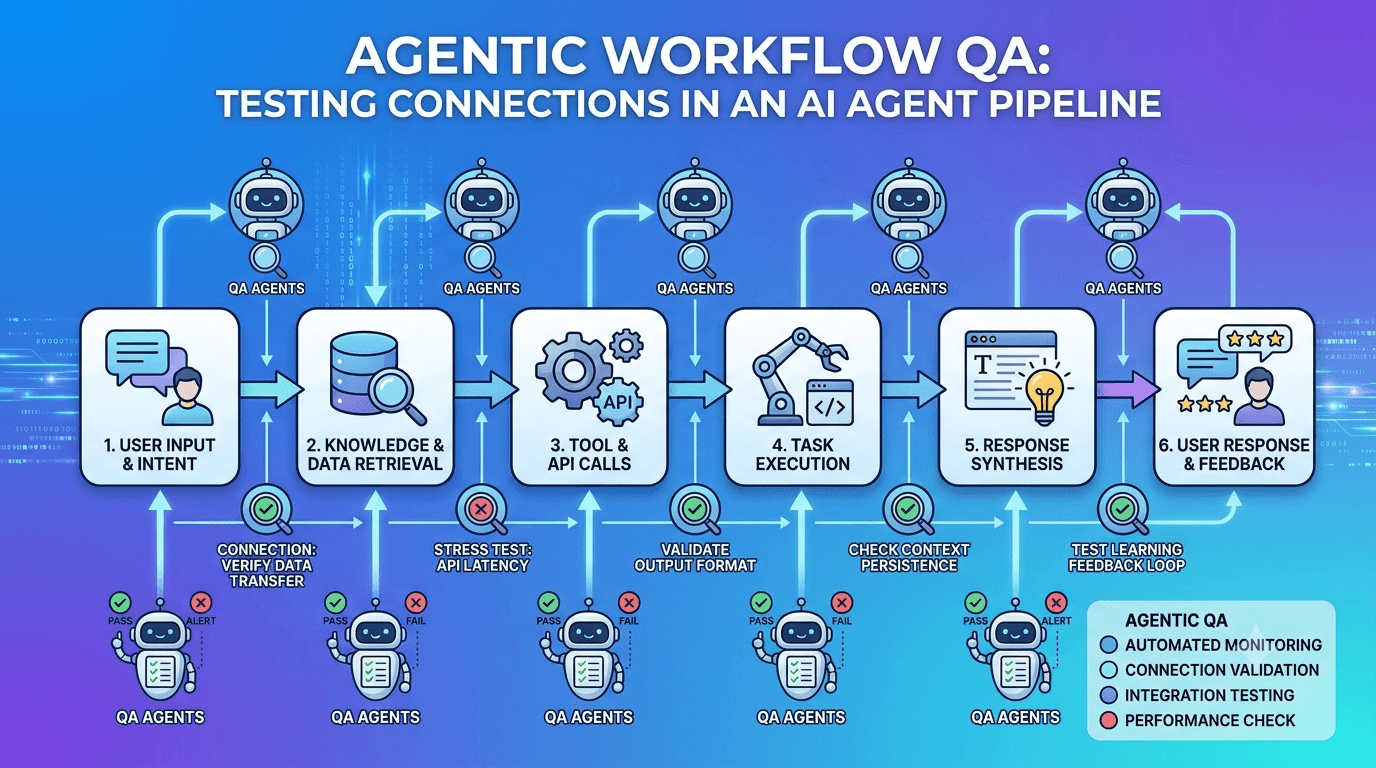
What is agentic workflow QA (and why it’s different from testing a chatbot)
