Choosing the Right Path for Custom Software Development in Kochi
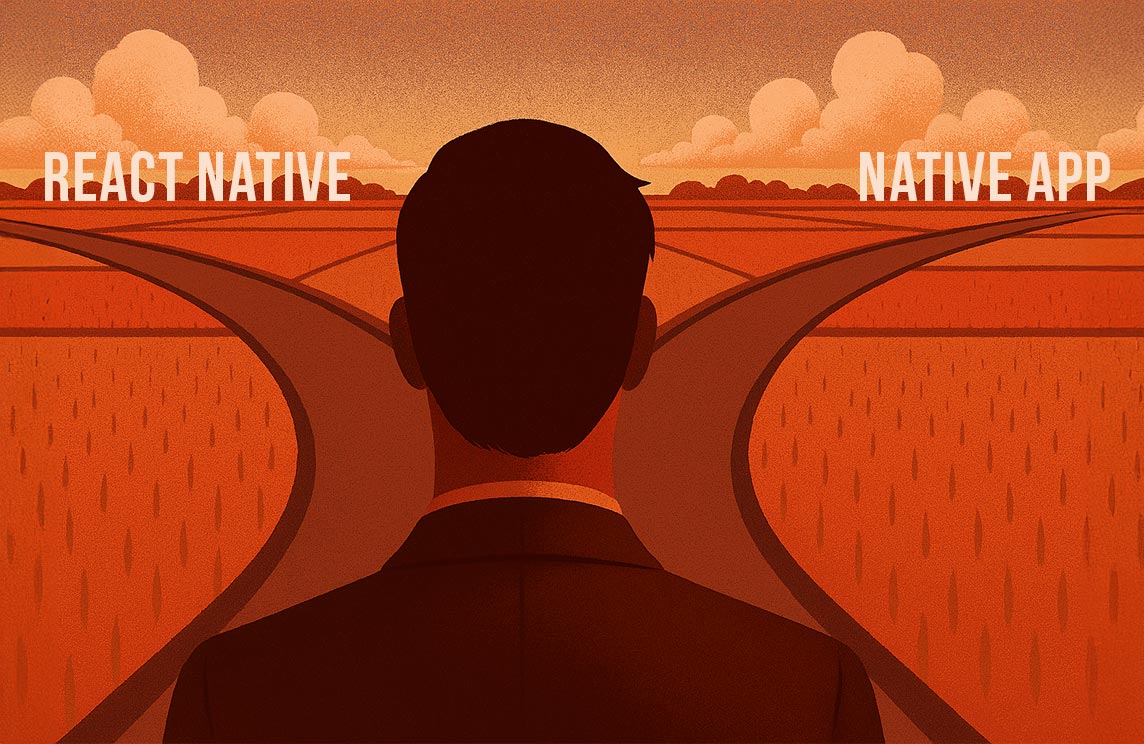
In today's hyper-connected world, choosing the right development approach is a pivotal decision that can make or break your digital product. Especially for startups and growing businesses in Kochi, where tech innovation meets cultural dynamism, understanding the difference between React Native and Native app development is essential to building robust, scalable, and cost-effective mobile applications.
Among the 26.4 million developers worldwide, one-third use cross-platform frameworks, with React Native leading the way. However, native development still holds its ground for performance-intensive and secure applications. So, how do you pick the right one? Let’s break it down.
What is React Native?
React Native is an open-source framework developed by Meta (formerly Facebook). It allows developers to build mobile apps using JavaScript and render them natively for both iOS and Android platforms using a single codebase.
Key Features:
- Hot Reload: See changes instantly without rebuilding.
- Cross-Platform: Write once, deploy on both iOS and Android.
- Cost-Effective: Reduces development time and resource duplication.
- Rich Ecosystem: Access to vast third-party libraries.
Popular Apps Built with React Native:
- Facebook
- Instagram
- Airbnb
- Tesla
What is Native App Development?
Native development means building applications using platform-specific tools and programming languages: Swift/Objective-C for iOS, and Kotlin/Java for Android.
Key Features:
- Optimized Performance: Utilizes device hardware to the fullest.
- Platform-Specific UI/UX: Delivers seamless user experiences.
- High Security: Ideal for finance, healthcare, and enterprise apps.
- Robust API Access: Integrates deeply with OS capabilities.
Popular Apps Built with Native Tech:
- Uber
- Google Maps
- Spotify
- Snapchat
Final Verdict: React Native or Native?
-
Choose React Native if you need to launch quickly, optimize costs, and target both platforms with minimal resources.
-
Choose Native Development if you need high performance, custom features, and top-tier security.
Still unsure? Reach out to our custom software development team in Kochi for a free consultation. Let’s build something great together.